ecatas.com
español english Haz ecatas tu página de inicio Noticias Bodegas Quiénes somos Contactar Inicio Foros Panel de catas online Feria Virtual de las DD.OO



Bodegas
-
Aquí encontrarás empresas relacionadas con nuestra actividad favorita, la cata.
-

CEPA 21
Teléfono: 983484083
-
FINCA LA RINCONADA
Teléfono: 914901871
-
BODEGAS Y VIÑEDOS GOMEZ CRUZADO
www.gomezcruzado.com Teléfono: 941 312 502
-
Bruno Murciano y David Sampedro
www.brunomurciano.com Teléfono: 962 31 90 96
-
BODEGAS Y VIÑEDOS PALACIOS DUQUE
Bodegas y Viñedos Palacios Duque nace con el firme propósito de buscar la máxima calidad en cada uno de nuestros vinos. Cuidamos cada detalle con el objetivo de obtener lo mejor de nuestros caldos, haciendo que cada uno de ellos sea único. Aceptamos el reto de hacer de esta filosofía un compromiso, y les invitamos a conocerlo y compartirlo con nosotros.
www.palaciosduque.com Teléfono: 945 601 059
-
FRANCIS FORD COPPOLA WINERY
www.franciscoppolawinery.com Teléfono: (707) 857-1400
-
FAIRWAI
The history of the Fairview farm
The cultivation of virgin vineyard land on Fairview in recent years has led to the unearthing of prehistoric stone tools providing proof of the presence of hominids here at the foot of the Paarl mountain some 700 000 years ago. Centuries later, probably towards the end of the first millennium AD, these hills became home to nomadic pastoralists from the north called the Khoi. These peaceful people remained until the arrival of the first European settlers the Cape of Good Hope in the mid 1600s. The official demarcation of Fairview as a formal farm followed in 1693. A tract of land on the southwestern slopes of Paarl Mountain was granted to Steven Verwey (thought to have been one of the French Huguenots who fled Protestant persecution in Europe from 1688) by Governor of the Cape Simon van der Stel, a Dutch East India Company official instrumental in developing several of the Capes first and still finest wine estates.
Just six years later, in 1699, the first wine was made on the farm. Official tax records of the time reflect a farm inventory which listed a few barrels of wine, among items ranging from bags of wheat to rifles and slaves [sic]. The farm had previously been known as Bloemkoolfontein (Cauliflower Fountain). Jests current owner/vintner Charles Back II: Im pleased that someone had the foresight to change the name! Up to about 100 years ago, the farm had a chequered history: it was part of no less than eight insolvent estates. Quips the incorrigible Charles again: Im doing my best to break the habit!
In fact, the farms star started rising from 1937 when Backs grandfather, Charles Back I, bought the property from the Hugo family for the princely sum of £6 500. An immmigrant from Lithuania, the young Back had landed on these shores in 1902 and opened a butcher shop in Paarl, which also sold fresh farm produce. Through his dealings with local farmers, especially David Louw who grew wine grapes on his farm Babylonstoren, the canny Back patriarchs interest in wine was piqued. In 1916 he bought a piece of Louws land called Klein Babylonstoren on the Paarl-facing slopes of the Simonsberg mountain range, a Cape winelands landmark.
Next thing, hed produced South Africas champion wine (in 1926, as a self-taught winemaker) and built up a booming wine export business. Such successes encouraged him to look further afield: in fact, just down the valley towards the round granite outcrops on Paarl Mountain, which is where he found the farm Fairview. Such foresight enabled him, upon his death in 1955, to bequeath a wine farm to each of his two sons, in whom hed also instilled a passion for wine, a strong work ethic and a spirit of endeavour. Klein Babylonstoren went to Sydney and became Backsberg (now in the hands of Sydneys son Michael Back). Fairview was Cyrils inheritance
Cyril Back immediately set about replanting his vineyards. Cinsault, then fairly ubiquitous in the Cape winelands, was ripped up and replaced with the more classic Cabernet Sauvignon and Shiraz, as well as Pinotage, an innovative Cape cross then still emerging as a potential producer of quality red wine. Some Pinot Noir and Chenin Blanc came later. Cyril went on to become a valued supplier of good wine to the KWV, then the Capes largest wine co-operative with statutory control over the local wine industry. Imbued with the Back entrepreneurial spirit, and encouraged by brother Sydney who had become one of the Capes first wine farmers to sell wine to the public in 1970 under his own Backsberg estate label (amidst strong opposition from the large producer wholesalers!), Cyril went solo in 1974. Bottling his own wine for the first time 500 cases each of Cabernet, Shiraz and Pinotage he initiated the Capes first public wine auction as a vehicle to market and sell the fledgling Fairview wines. The top price back then? R3 a bottle, recalls his son Charles.
Charles Back II started farming with his father in 1978, having completed his oenological training at leading local agricultural institution Elsenburg, and took over full responsibility for the farm upon his fathers passing in 1995. This third-generation Back vintner has built further on the Fairview familys tradition of innovative wine growing, an innate understanding of consumer tastes and a keen eye for business opportunities.
Hes become a pioneer in developing new, hitherto-unexplored viticultural sites across the Western Cape and experimenting with lesser-known varieties. And hes expanded his late father Cyrils dairy goat herd, started in 1980, into a fully fledged cheesery producing international award-winning farm cheeses. In 1981, Charles built the now-famous Fairview Goat Tower, inspired by a similar structure that his parents had seen during their travels in Portugal. Today, in addition to wine and cheese tastings and sales, friendly Fairview welcomes visitors to The Goatshed, a Mediterranean-style indoor/al fresco eatery.
Over the past decade, Charles has also been consolidating the Fairview property, the historical value of which has long been underplayed. The original homestead, circa 1722, sold off in one of many earlier subdivisions, is back in the hands of the farms proprietor, beautifully restored and home to the resident owner/vintner once more. Part of the restoration process was the nurturing back to health of an old grove of chestnut trees behind the homestead, whose crops were delivered to the market in Cape Town at the turn of the 20th century. And, among the many snippets of information gleaned during the process of looking back into Fairviews past, was that the farms wines, predominantly fortified dessert-style elixirs up to the early 1900s, were prescribed by a local Paarl doctor for medicinal purposes to ailing children! (But at least it was just by the teaspoonful!)
Under Charles Back IIs sure guidance, Fairview has come full circle: from its days as one of the Capes earliest wine farms developed by French Huguenot Steven Verwey at the turn of the 17th century, to its current position as one of South Africas most successful, enduring, innovative wineries firmly ensconced in the 21st century.
www.fairview.co.za Teléfono: +27 21 863 2450
-
BERNAVÍ
BERNAVÍ nace de la inquietud de tres jóvenes técnicos y apasionados del viñedo y del vino: Marco Bernava, Gino Bernava y Ruth Fullat Sisteré. En 2007 deciden empezar el proyecto italo-catalan en la comarca tarragonina de la Terra Alta, apostando por un enfoque claramente personal y familiar. De aquí la recuperación y reconversión de las viñas y la construcción de la nueva bodega acabada en 2011.
La finca Mas Vernet, con una historia que se remonta a 1694, se sitúa al Norte de Vilalba dels Arcs, a lo largo del Camino de Berrús que nos lleva hasta el valle del rio Ebro: aquí BERNAVÍ cultiva sus viñas y exclusivamente con sus uvas elabora vinos interpretando il terroir.
La ubicación del proyecto BERNAVÍ se debe a la peculiaridad de la región y a las potencialidades que los promotores leyeron en ésta. Estamos en una zona pre litoral donde el clima mediterráneo encuentra los matices continentales del interior español: aquí la elevada excursión térmica entre día y noche durante el verano favorece una óptima maduración. La climatología de la zona permite también una producción con absoluto respeto al medio ambiente. Los suelos de panal y origen cuaternario son el hogar de viñas que trabajan en condiciones a veces tan extremas como fascinantes.
En este rincón de Cataluña BERNAVÍ ha decidido buscar las sinergias entre clima, suelo, variedades y técnicas agronómicas y enológicas para caracterizar la calidad de sus producciones. Entonces las variedades autóctonas como la Garnacha blanca y el Morenillo, juntamente con la típica Garnacha tinta, se casan también con variedades internacionales para ser cultivadas y elaboradas de forma que esta interpretación del terruño se llegue a degustar en las botellas BERNAVÍ.
www.bernavi.com Teléfono: +34.651031835
-
BODEGA DEL ABAD
Bodega situada en el corazón de la comarca de El Bierzo, que aúna en la elaboración de sus vinos métodos tradicionales y la más moderna tecnología, siempre bajo la supervisión del C. R. D. O. Bierzo, garantía de Calidad
www.bodegadelabad.com Teléfono: 608244161
-
MAS AMIEL
http://www.masamiel.fr/ Teléfono: 04 68 29 01 02
Los 5 vinos más puntuados

PAGO DE LOS CAPELLANES PARCELA EL PICÓN 2020
Ranking 1 Catado 1 vez
Muestra limpios e intensos aromas
balsámicos, conjugados con frutas de
bosque, tanto rojas (cereza, grosella y
cassis) como negras (mora). Al final
aparecen matices especiados bien
integrados (canela, clavo y cedro),
aportados por la madera de roble
francés de grano extra-fino. En boca el
vino se muestra vibrante y muy
equilibrado. Fresco, aterciopelado,
intenso, sabroso, rotundo. Taninos
vivos muy pulidos, con un largo paso
de boca y un final que pletórico, lleno
de encanto.

Ranking 2 Catado 1 vez
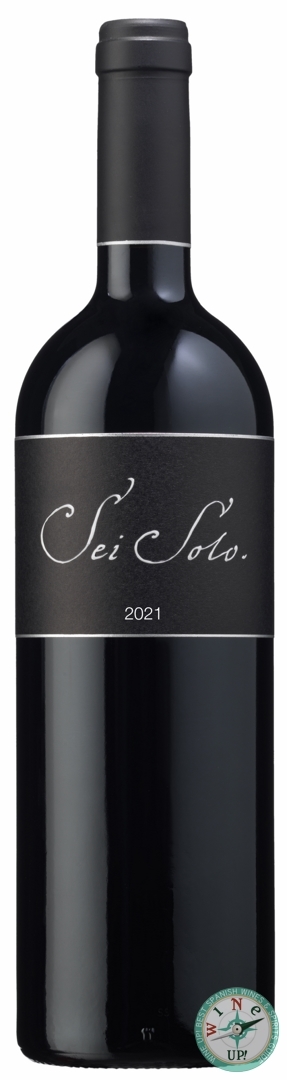
Ranking 3 Catado 1 vez

Ranking 4 Catado 2 veces
CATA:
Nariz: Cereza con ribetes rubí.
Nariz: Si algo identifica la añada 2002 es su delicadeza. Nariz discreta donde se entremezclan aromas a ebanistería, fruta salvaje del tipo arándanos o grosellas y notas mentoladas de tabaco ingles.
Boca: Ataque pleno, paso de boca fino y elegante con un fin de boca persistente a nivel aromático. Estilo Ünico en toda su expresión y aspecto en cuanto a discrección, elegancia y complejidad.
Producció: 42900 Botellas bordelesas, 2541 Magmum, 155 doble Magnum y 4 imperiales.
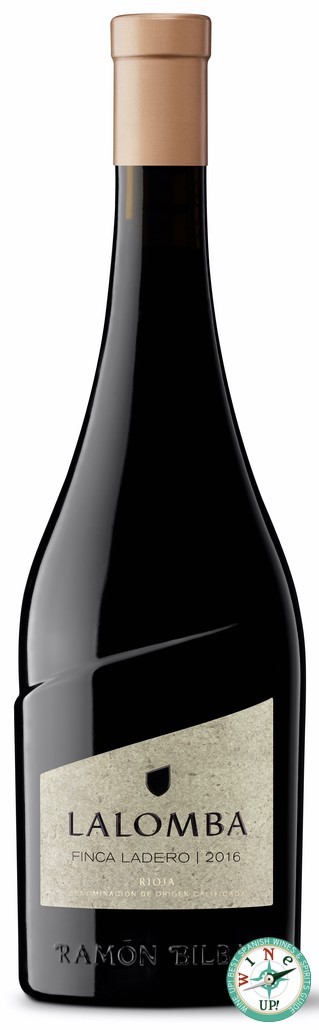
Ranking 5 Catado 1 vez
Interesante combinación, procedente del Monte Yerga en La Rioja Oriental, de fruta negra concentrada y las evocadoras notas herbales propias de la garnacha: tomillo y monte bajo. Vino exuberante, poderoso y con fantástica acidez cítrica para sostener el conjunto.


01-07-2025 La excelente acogida y repercusión del Sparkling Wine Máster en sus dos primeras ediciones ha confirmado que España necesitaba un certamen de referencia para sumilleres especializados en vinos...
17-02-2025 • Estos 100 vinos son la selección que ha realizado Wine Up! para el report de Castilla-la Mancha de jancisrobinson.com firmada por el sumiller y escritor Ferrán Centelles. • Cuenta con el...


© 2008. Todos los derechos reservados- Política de privacidad -
info@ecatas.com
www.ecatas.com
www.wine-up.es